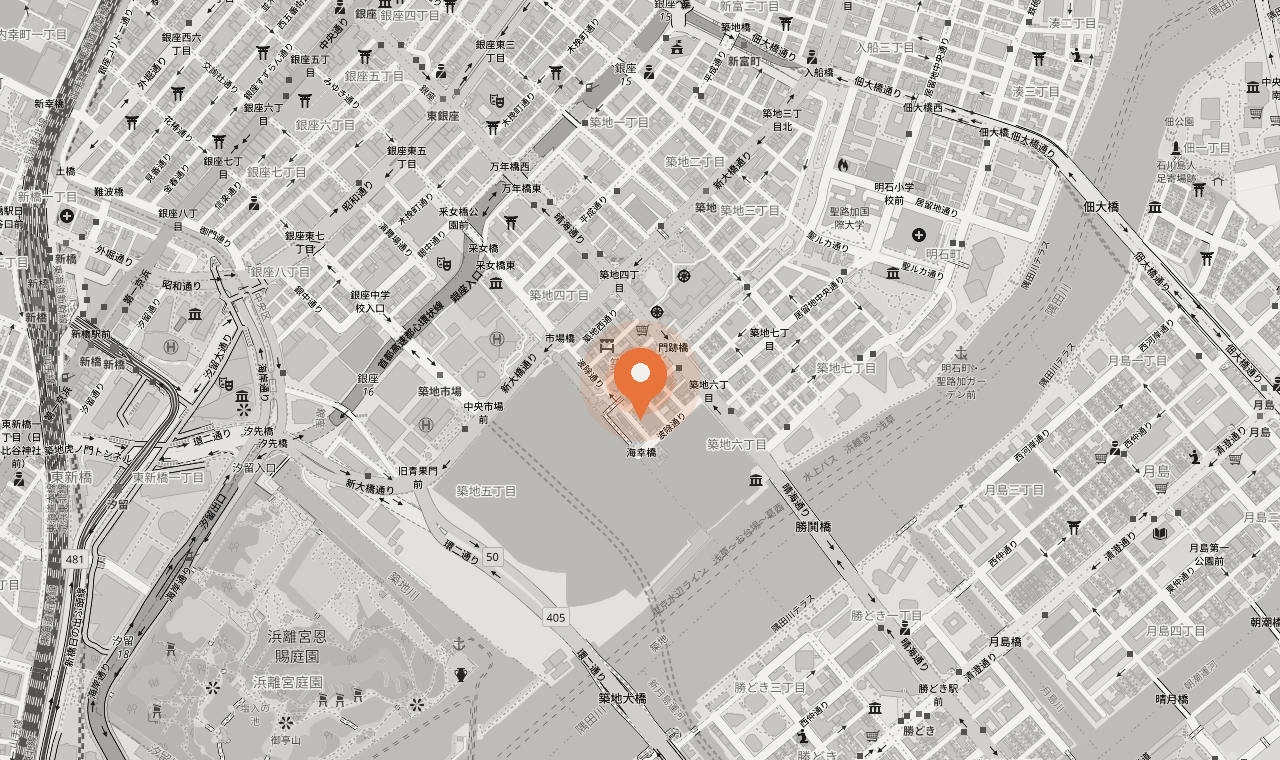
Est. 2018 — Tsukiji-jogai, Tokyo
MARUNI
丸仁
Single-origin matcha, on Tsukiji jogai.
Since 2018.
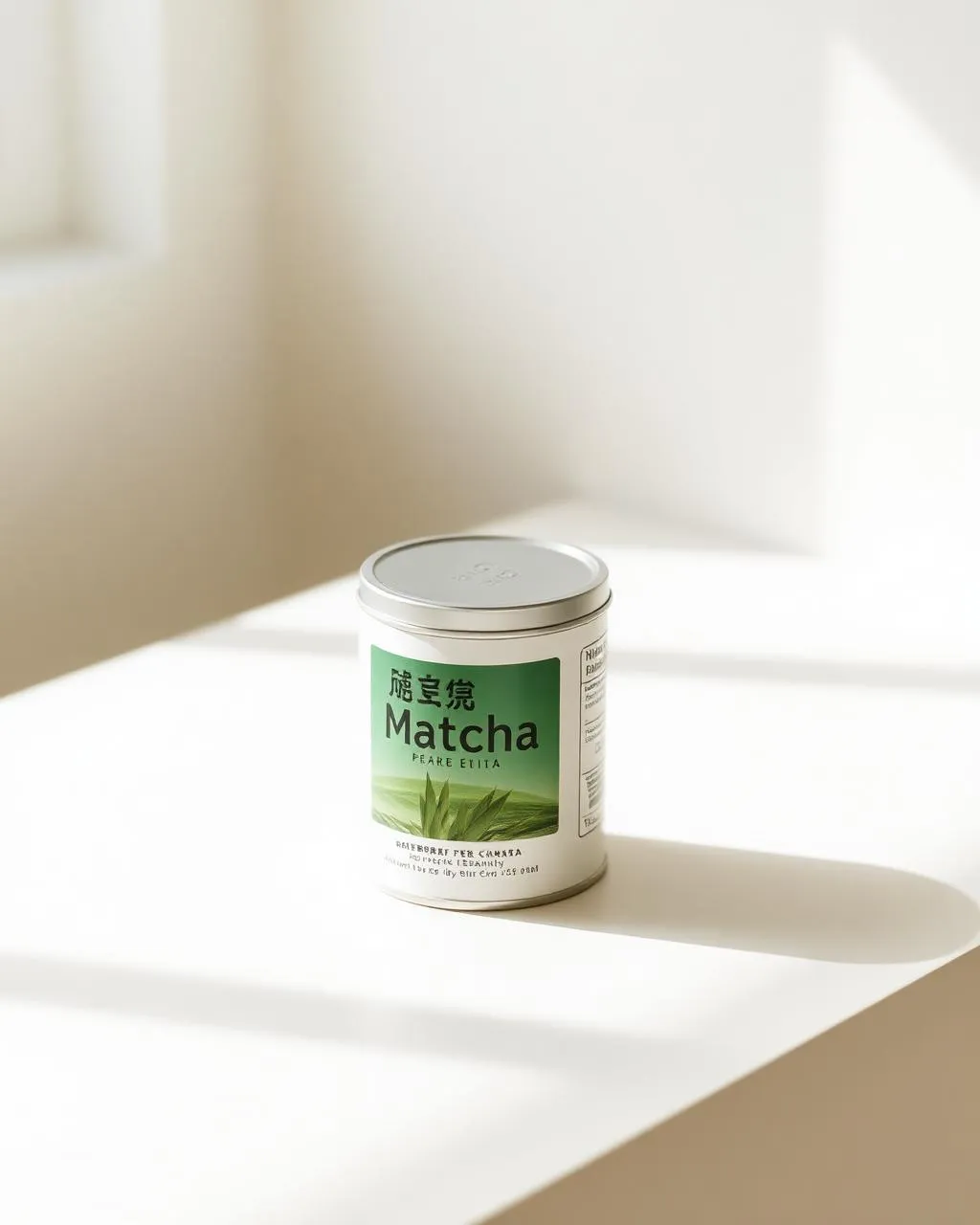
Fig.02 —House tin, 30 g
Three matcha grades.
One quiet counter.
Maruni serves ceremonial-, premium-, and latte-grade matcha sourced directly from growers in Uji, Kyoto, and Mie. Each bowl is whisked to order at a single counter on the edge of Tsukiji's outer market.
"Nori shops have long quietly sold tea — shared cold, dark storage."
百年の海苔屋が始めた、お茶のスタンドです。

Fig.03 —Uji, late April
宇治
From three regions, by name.
Ceremonial grades from Uji, daily blends from elsewhere in Kyoto, latte-grade leaf from Mie. We list grower, region, and harvest year on every tin — the same transparency the parent house has applied to nori for a century.
Six frames from the counter. No two days repeat.
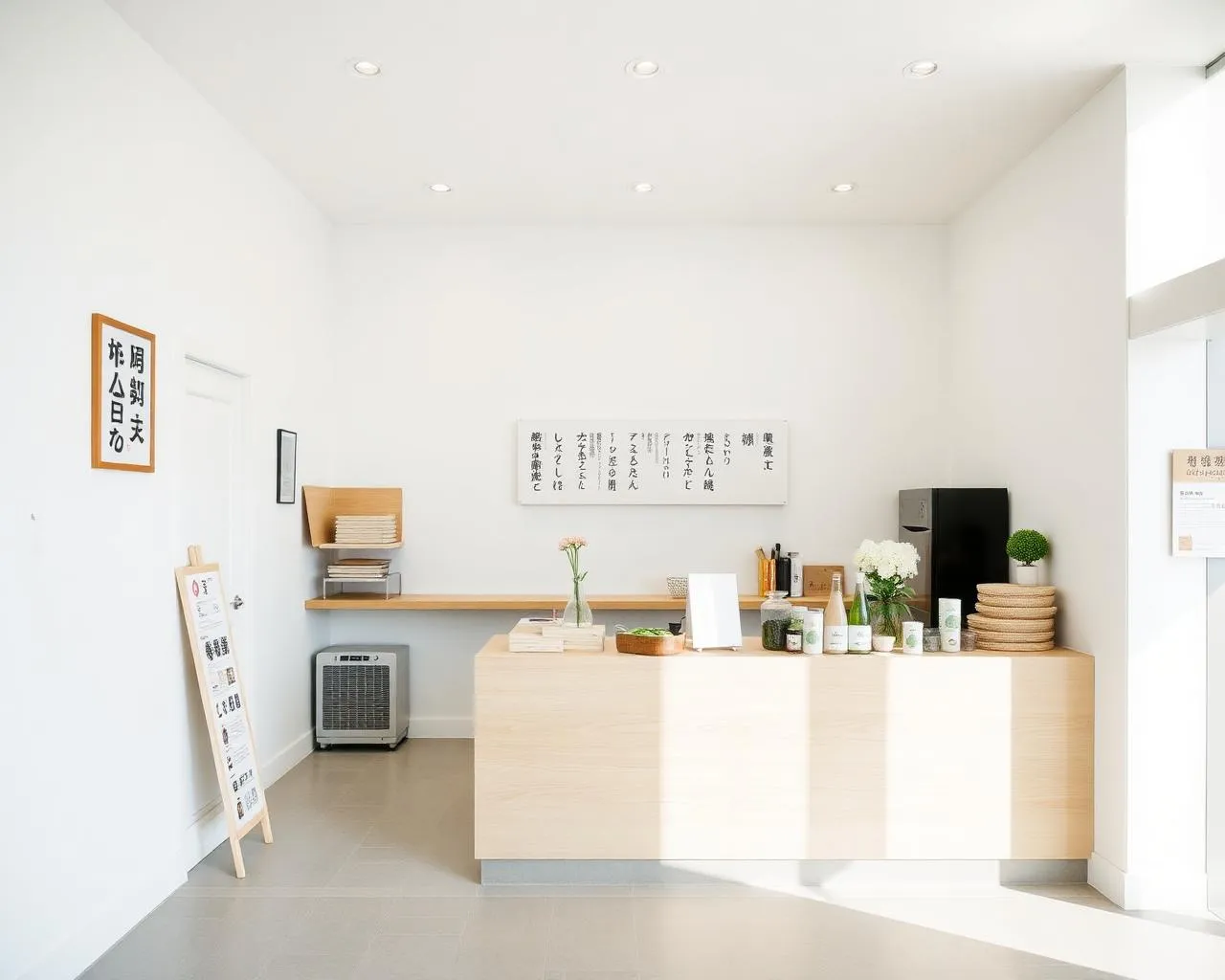
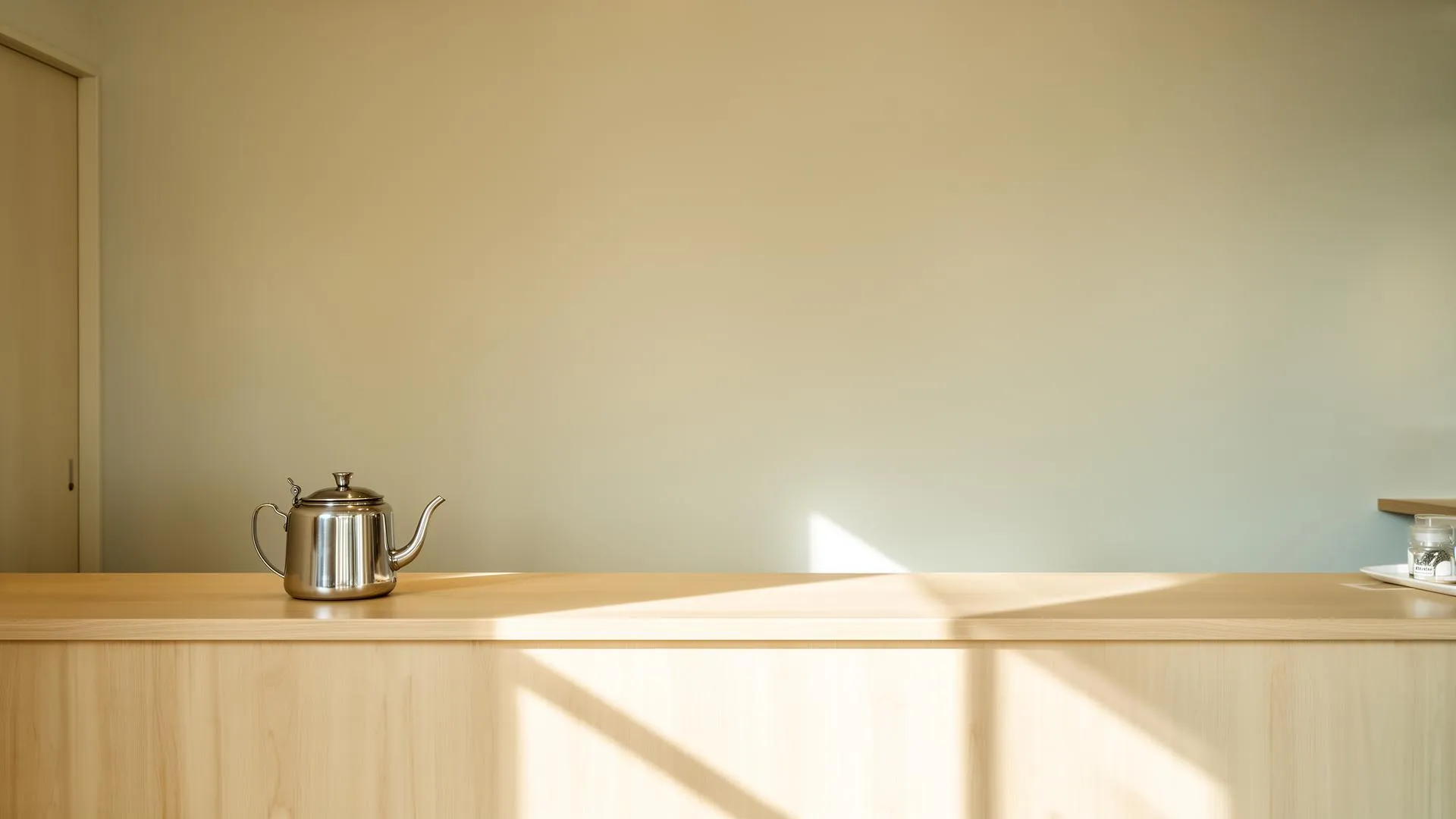
Fig.09 —The counter at 07:42
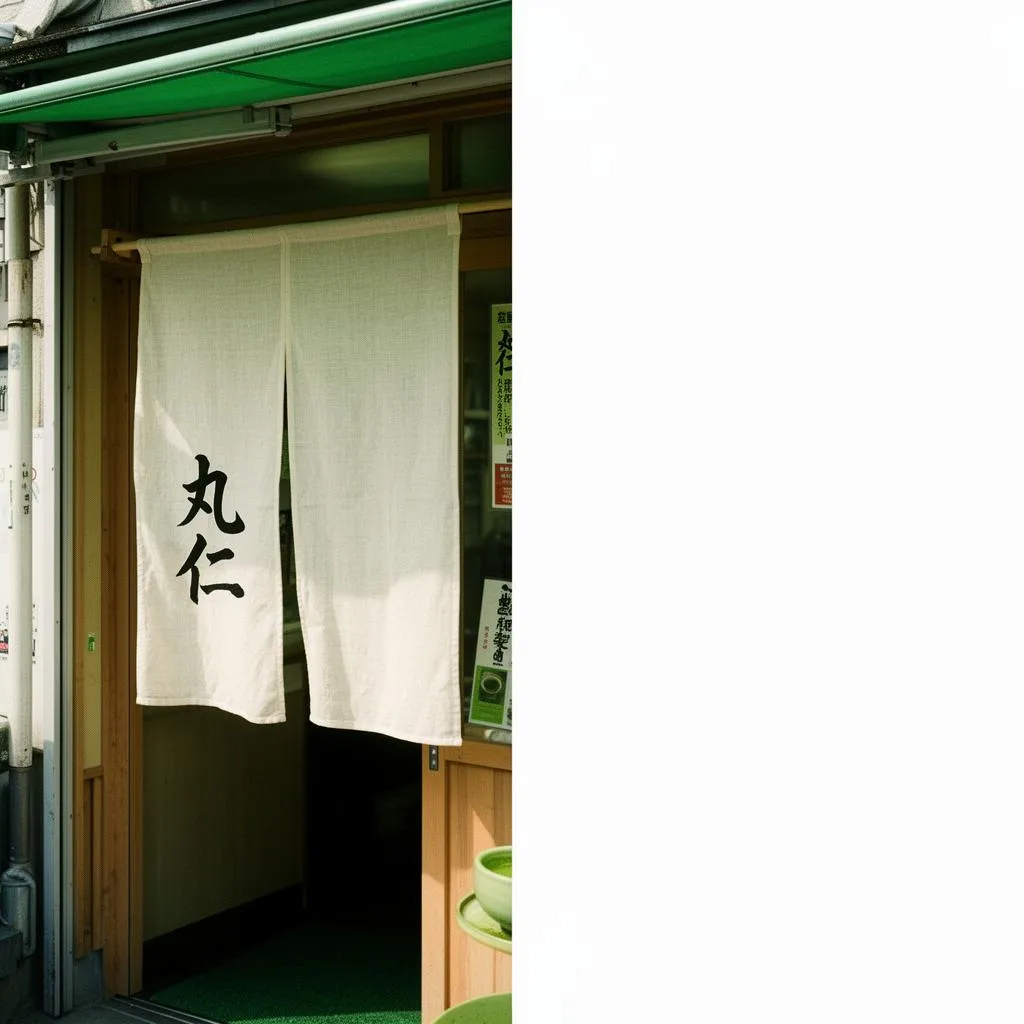
Fig.10 —Noren, hand-brushed annually
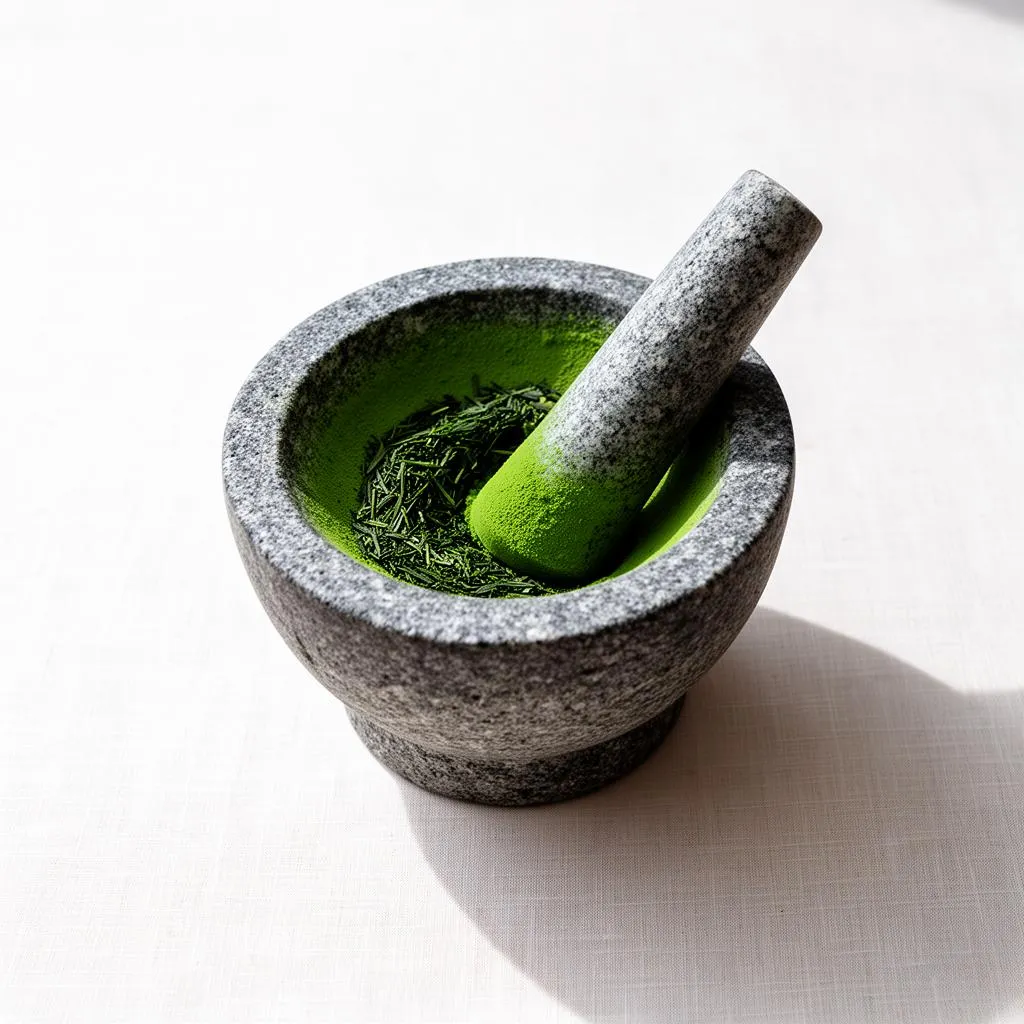
Fig.11 —Ishi-usu, 30 g per hour
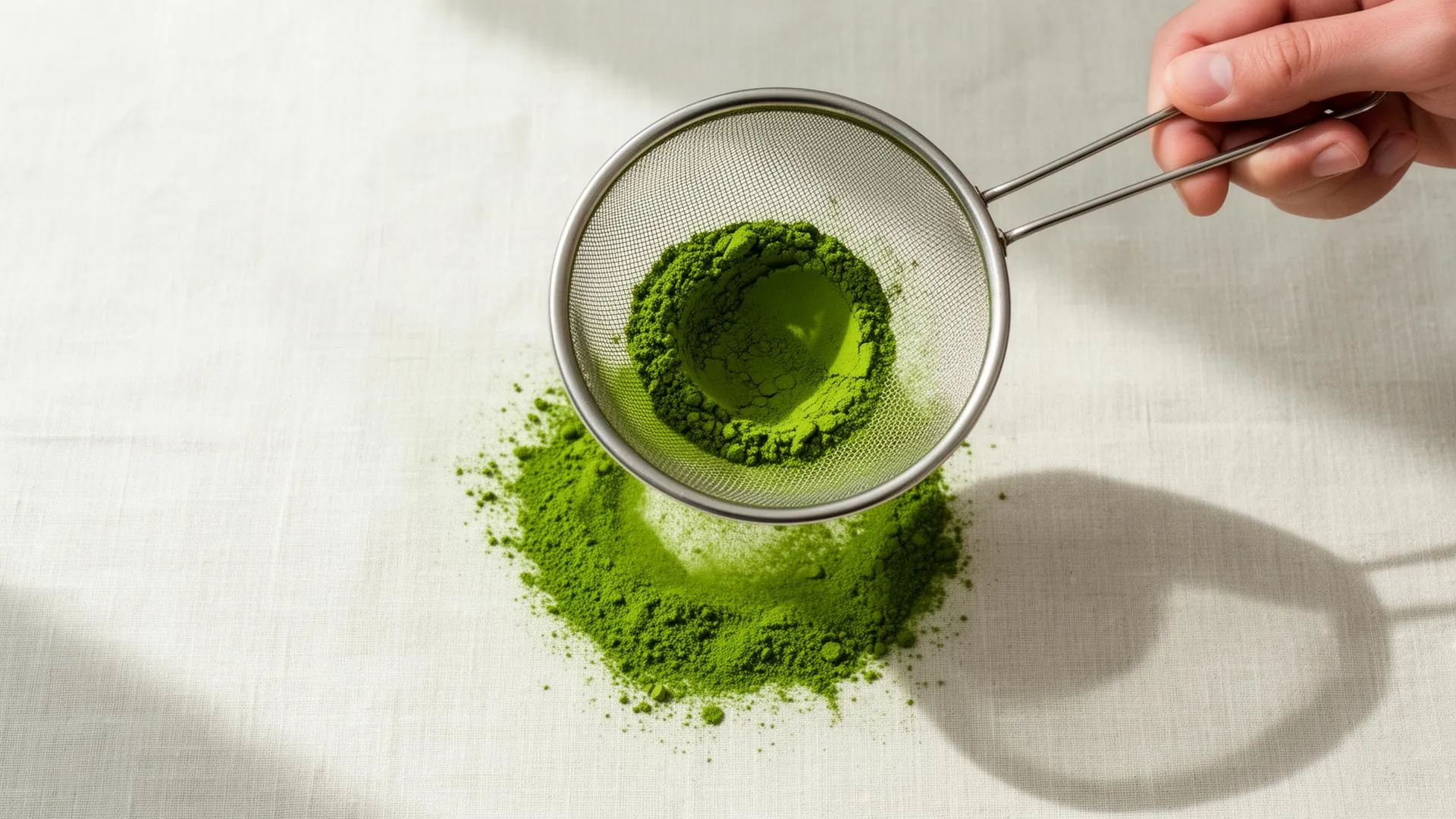
Fig.12 —Sifting, single-grower tencha through 100-mesh
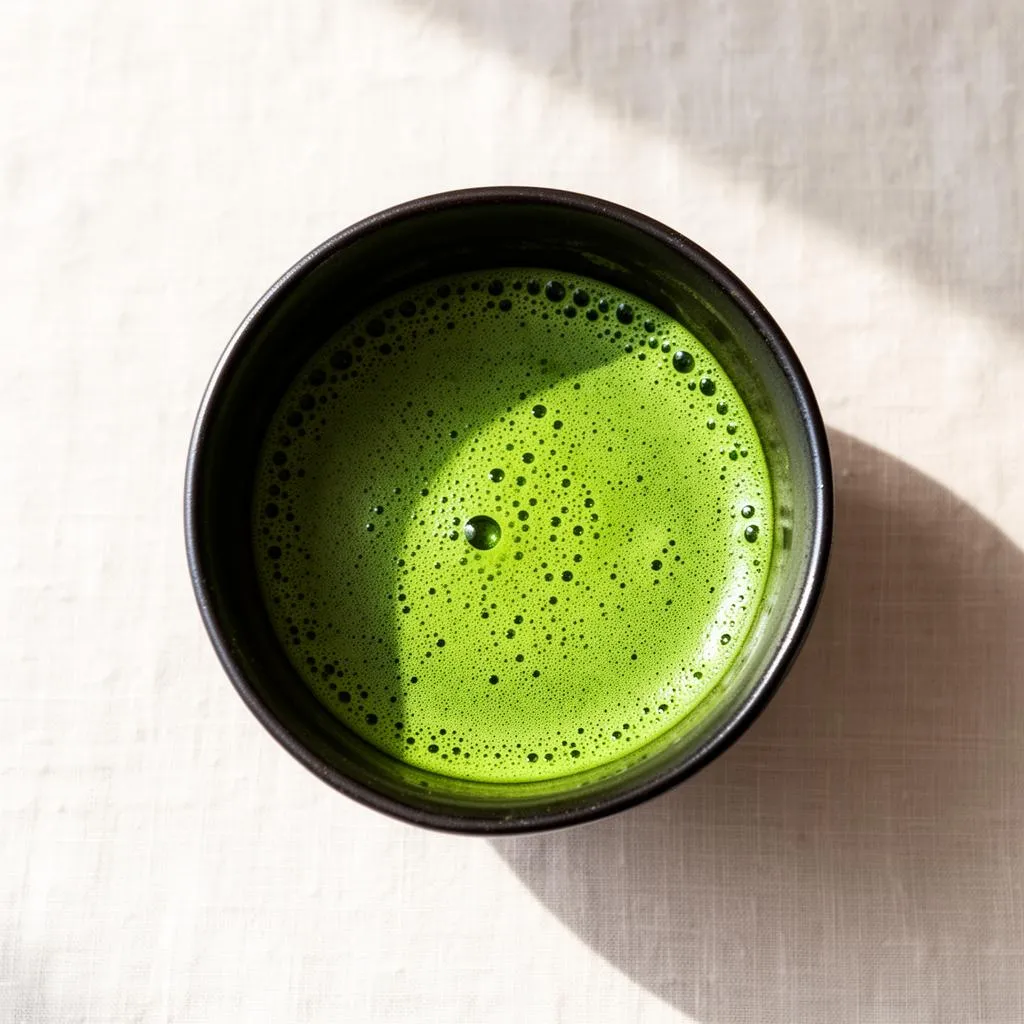
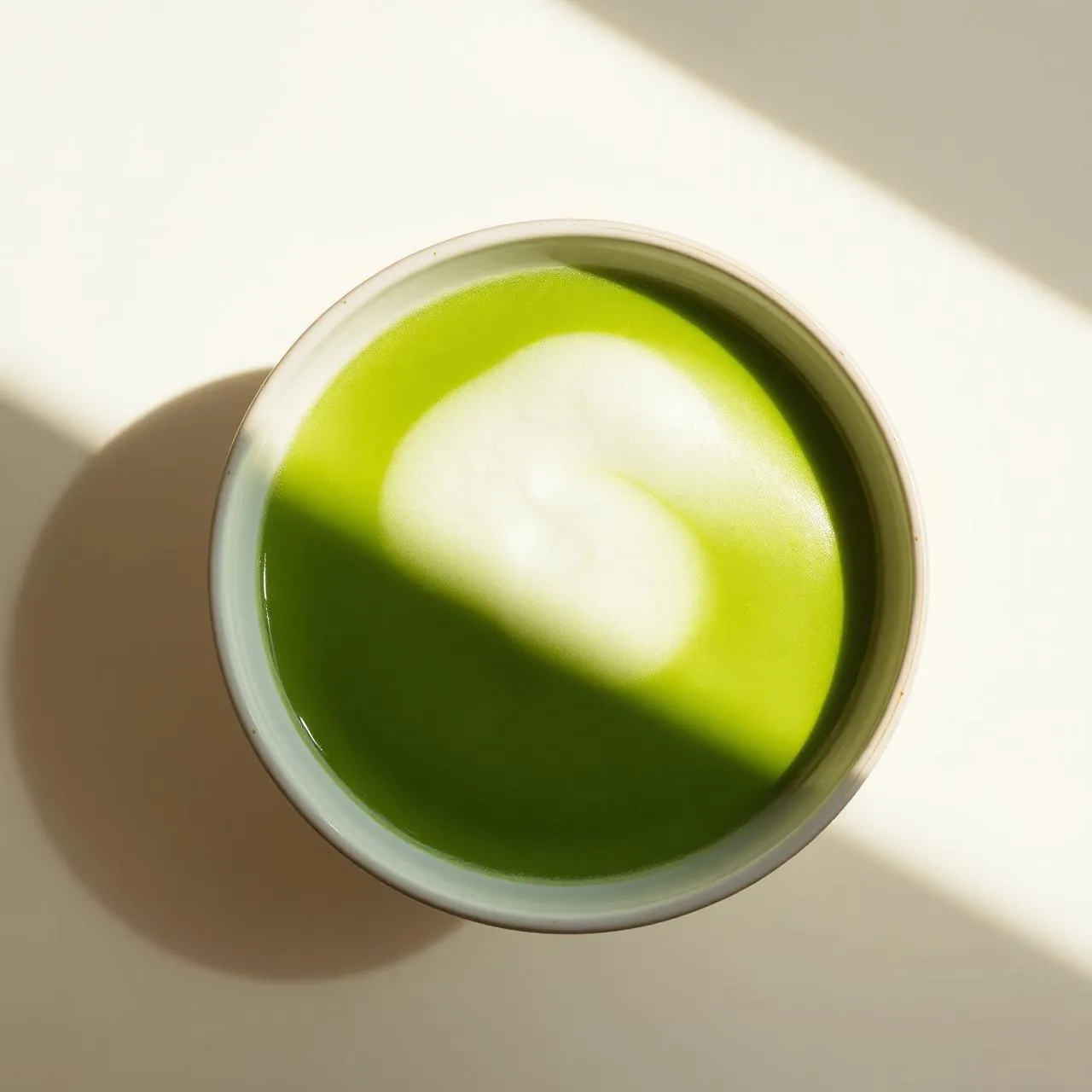
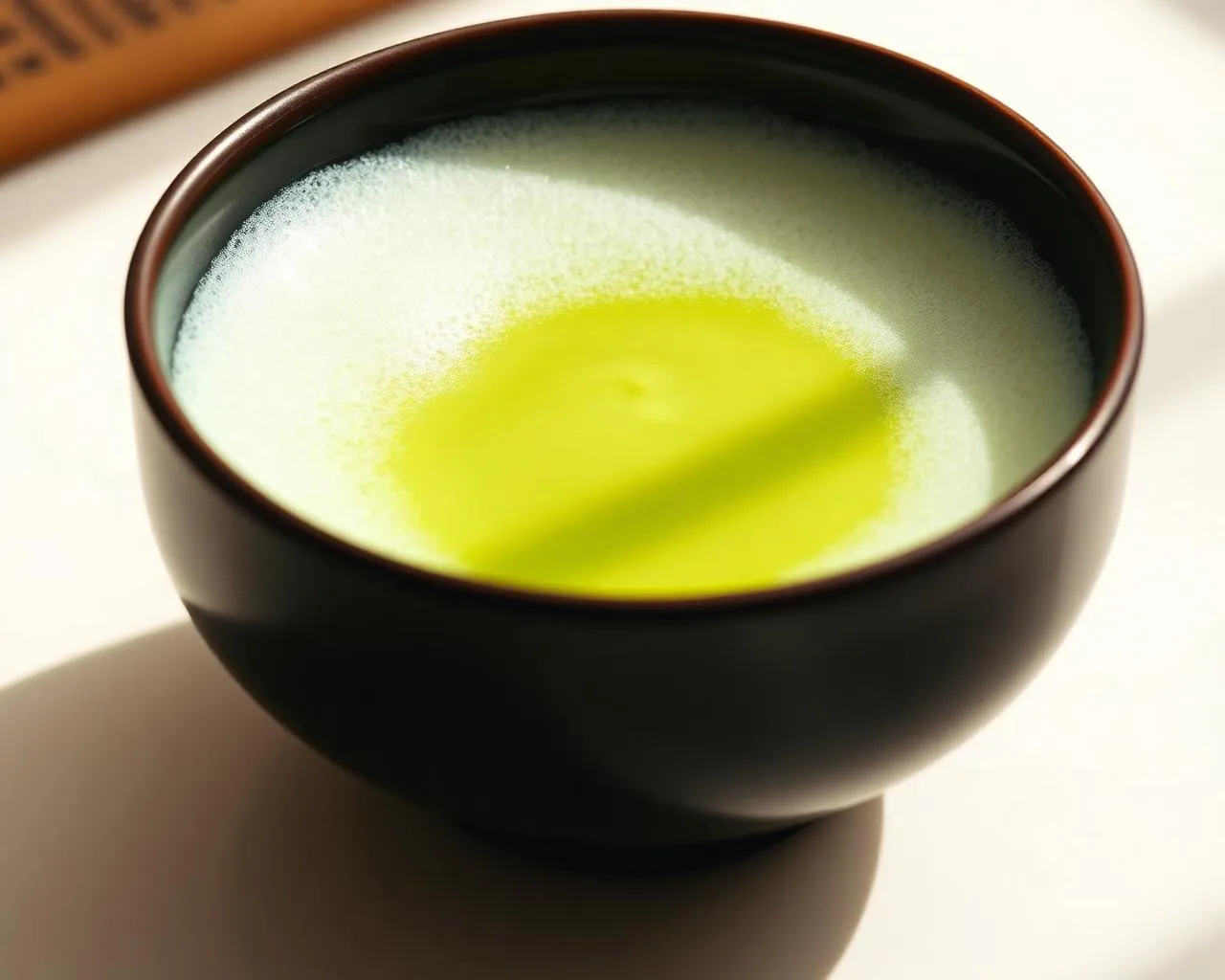
Fig.13 —Crema, the closing surface
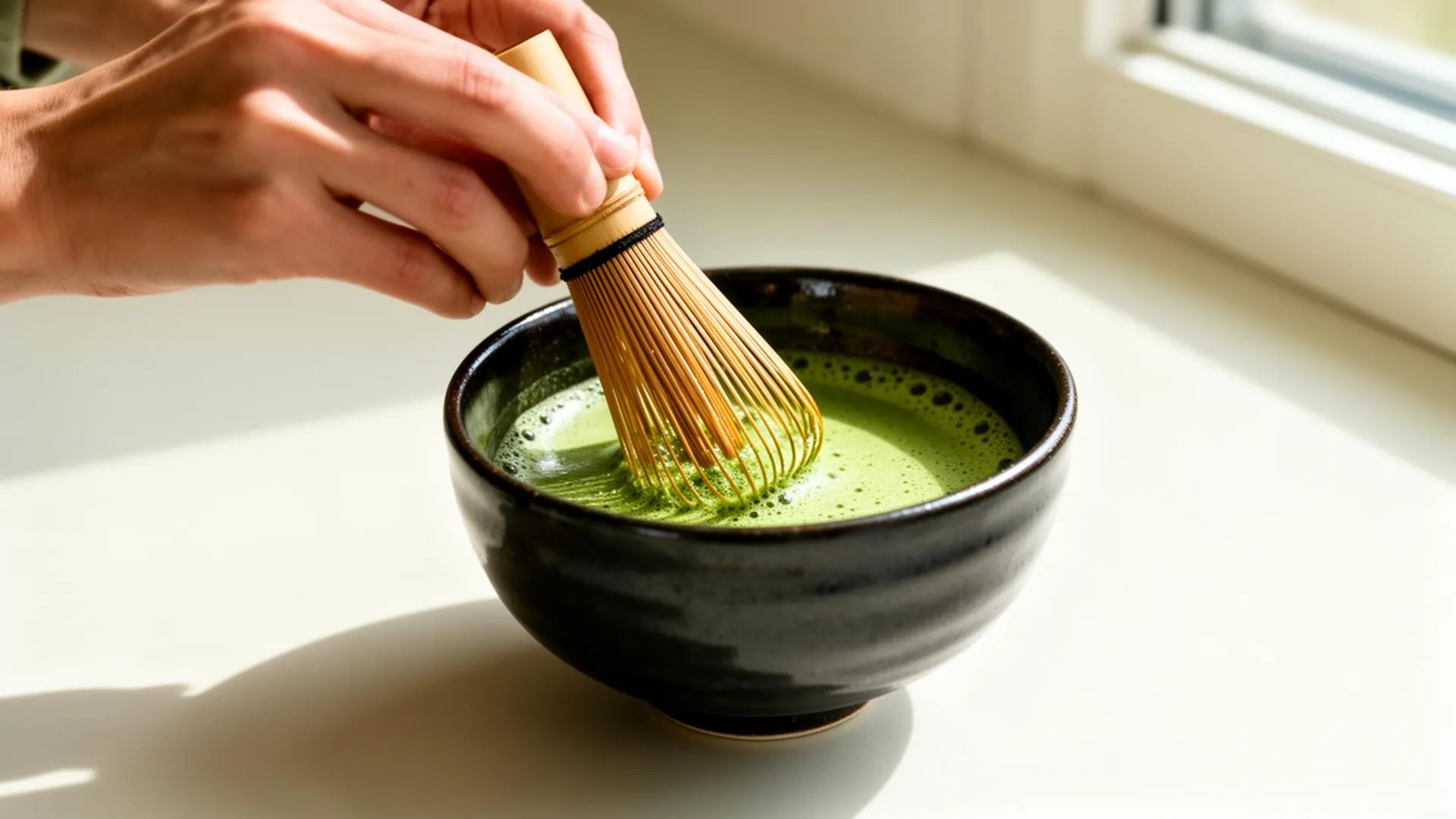
Fig.14 —Whisking, thirty seconds at eighty degrees
From leaf to bowl, in five frames.
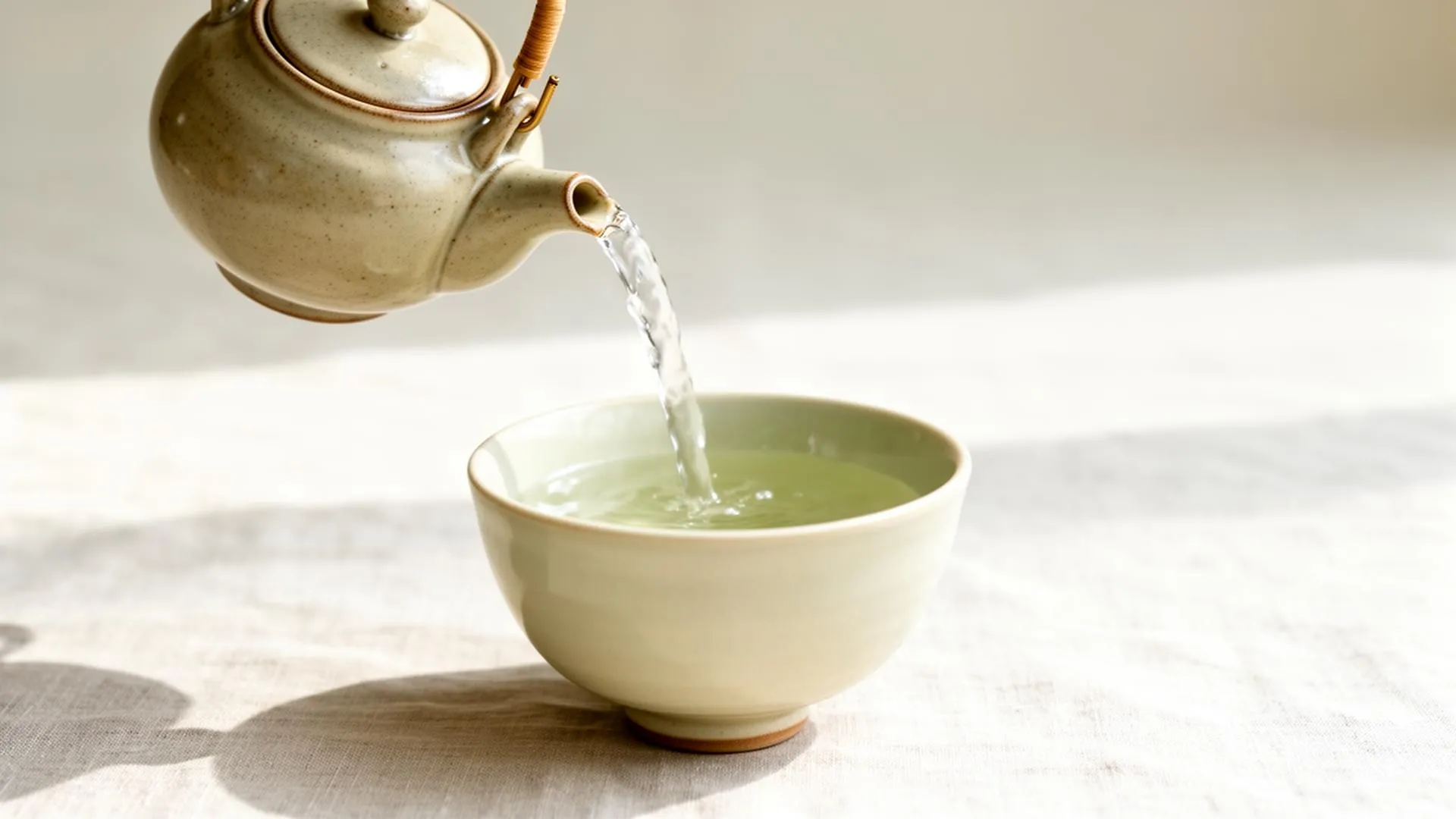
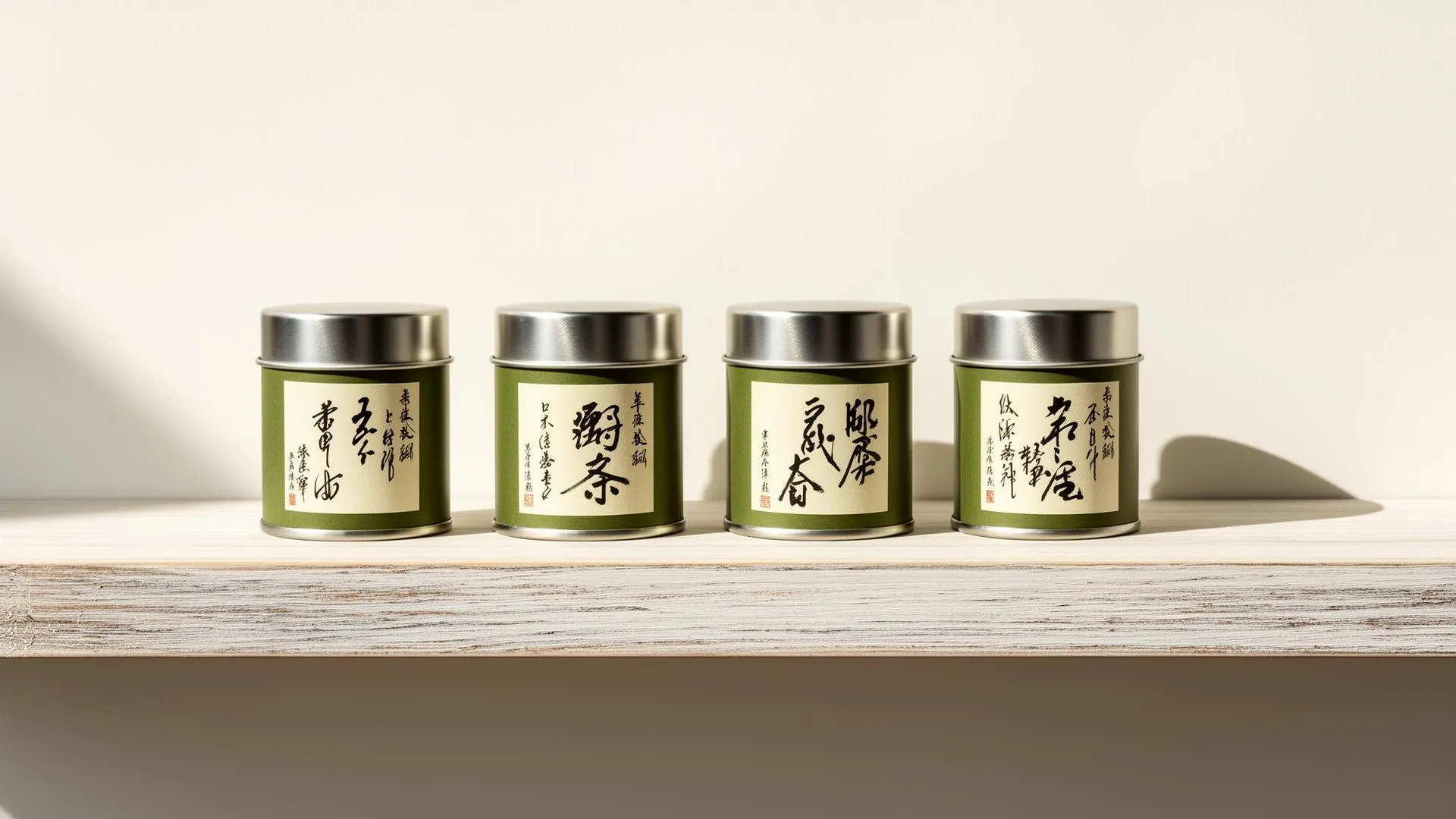
Fig. 04 — Sifting, single-grower tencha through 100-mesh
01 / 05