1918
1918 · Ichikawa City, Chiba
Itoh Nori Shoten founded. Nori sourced by region, season, and grade — named, not blended. Cold, dark, sealed storage. The same discipline a tea house would later need.
A single-origin matcha stand on the edge of Tsukiji's outer market. Opened in 2018 by the 4th-generation owner of Itoh Nori Shoten — a ~100-year nori family — built on a quiet observation: nori shops have always stored tea. Matcha is sourced from Uji, Kyoto, and Mie and whisked to order at a single counter.
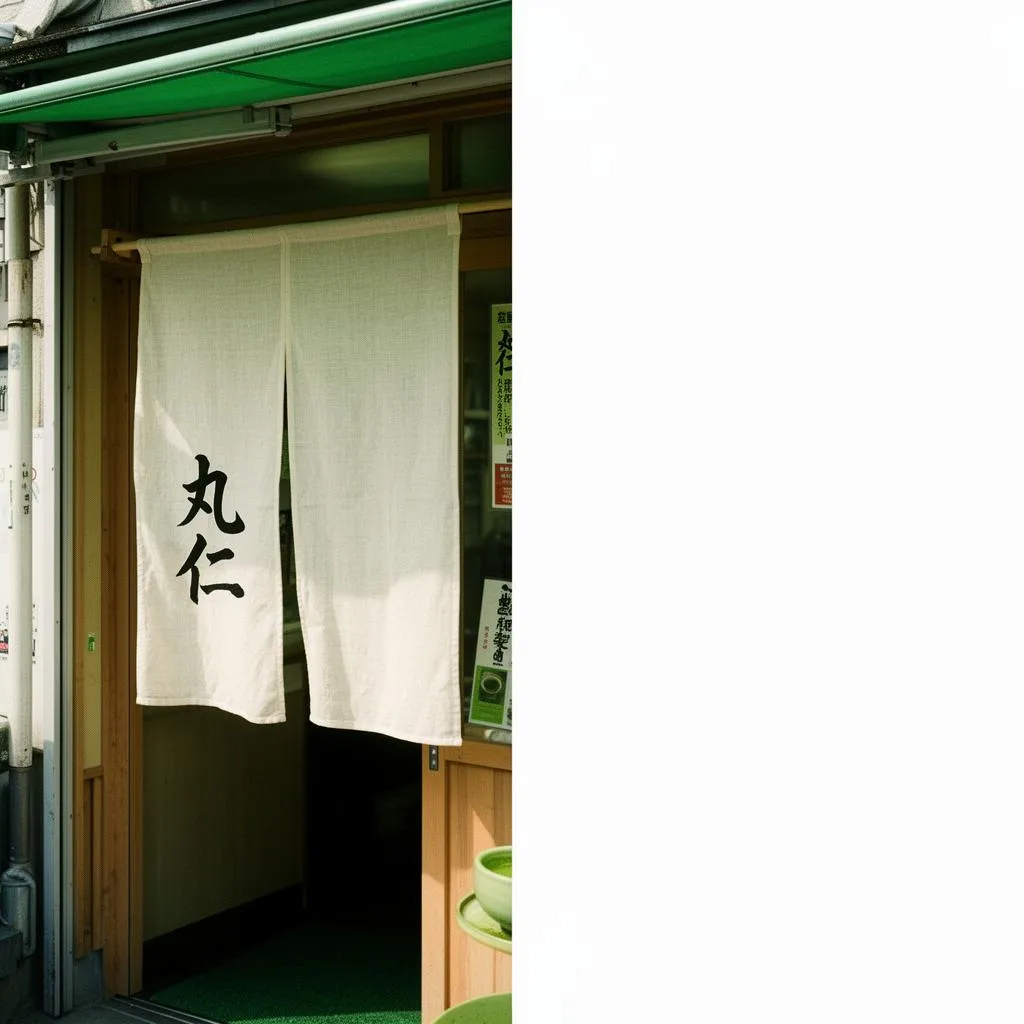
Fig.16 —Noren, hand-brushed annually
1918
1918 · Ichikawa City, Chiba
Itoh Nori Shoten founded. Nori sourced by region, season, and grade — named, not blended. Cold, dark, sealed storage. The same discipline a tea house would later need.
2018
2018 · Tsukiji-jogai
The 4th-generation owner, Shingo Itoh, opens Matcha Stand Maruni on the parent shop's 100th anniversary. The starting point: nori and matcha demand identical storage conditions — and nori shops have always, quietly, also sold tea.
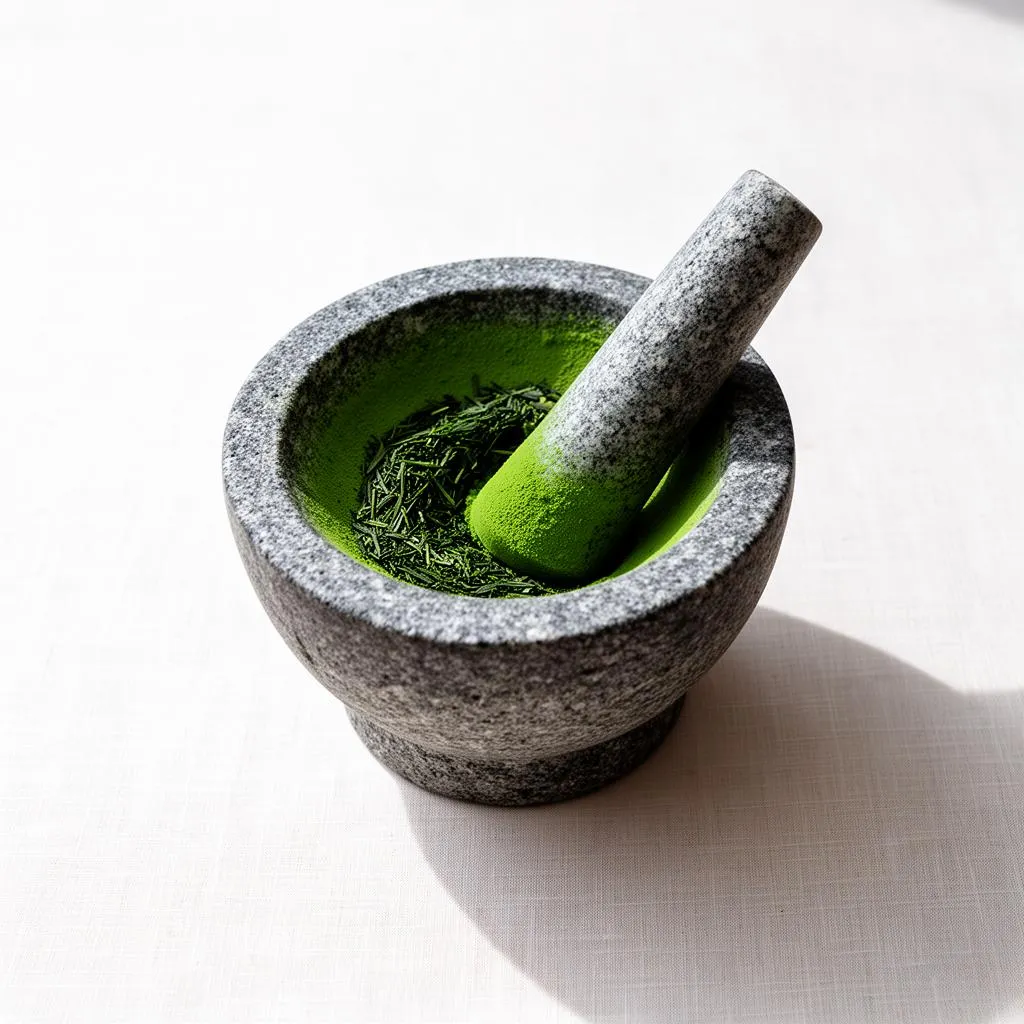
Fig.17 —Ishi-usu, 30 g per hour
— Owner
Shingo Itoh (4th generation)
伊藤信吾 (Shingo Itoh, 4th-gen owner)
— Parent house
伊藤海苔店 (Itoh Nori Shoten)
Ichikawa City, Chiba · est. 1918
Itoh Nori Shoten (Ichikawa City, Chiba) — founded ca. 1918. A family business that has sold single-origin nori for a century. Maruni is its sister brand.
— A quiet observation
"Nori shops have long quietly sold tea — shared cold, dark storage."
Selling nori requires transparency about region, harvest year, and storage. Maruni applies the same discipline to matcha — every tin lists grower, region, and harvest year.

Fig.18 —Uji, late April